






For something that seems so incredibly simple, literally just catching dust and paint, it is absolutely wild how vital paint booth filters are to your shop's success.
It's interesting to see how the technology behind them has evolved. Filter tech over the years has progressed from basic overspray catchers to a range of different types and qualities that help to optimize workflow and better protect a tech's health. Better filters keep booths drastically cleaner, slash rework time, protect expensive equipment, and ensure a shop stays productive with its paint jobs.
From Basic Overspray Control to Real Filtration
In the early days of paint booths, shops relied on a simple exhaust fan and some rough arrestors to keep overspray from coating the entire building. Standards for body work, as well as health and safety, were a lot different at the time.
As standards evolved, so too did spray guns and coatings, which led to the first real generation of booth filters: "dry exhaust media" (usually basic fibreglass pads) designed to catch the big droplets before they chewed up your fans and ductwork. It was a needed advancement; however, it was designed to protect equipment, not improve the air quality or save your clearcoat from nibs.
Why Filtration Had to Step Up
As finishing standards skyrocketed and environmental and safety regulations clamped down, tossing a cheap pad in the exhaust causes more problems than not.
Modern industrial and automotive booths operate efficiently with clean airflow, zero contamination, strict emissions control, and offer serious worker protection. These changes drove the development of the high-efficiency, multi-stage filtration systems we use along the entire airflow path today, and have become commonplace in almost all paint booth systems.
The Shift to Multi-Stage Systems
Today, you're rarely just looking at one filter because most modern paint booths rely on a multi-stage approach, where every filter has a specific job.
- Intake filters scrub the air before it even enters the cabin,
- Pre-filters knock down the heavy particles early,
- And exhaust filters trap the paint overspray before it hits the fan or the atmosphere.
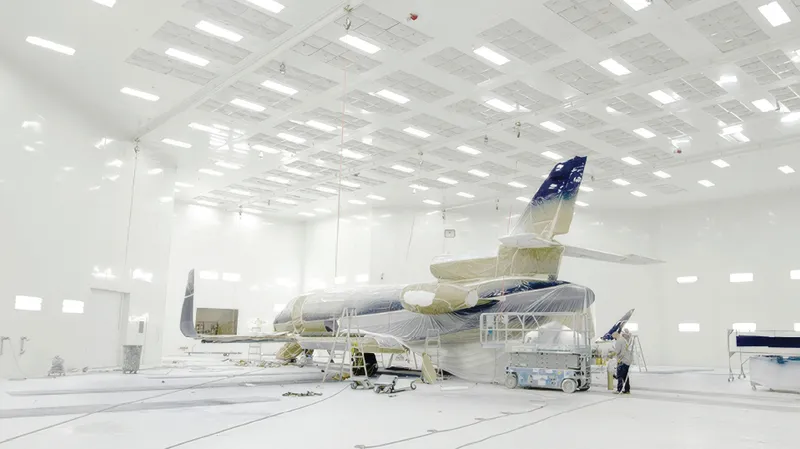
This approach keeps the booth cleaner and stabilizes airflow. In downdraft setups, we see an even more sophisticated approach to containment, with ceiling diffusion media evenly blanketing the vehicle with clean air, dealing with the turbulence that loves to drop dust right onto a wet finish.
Better Materials, Better Performance
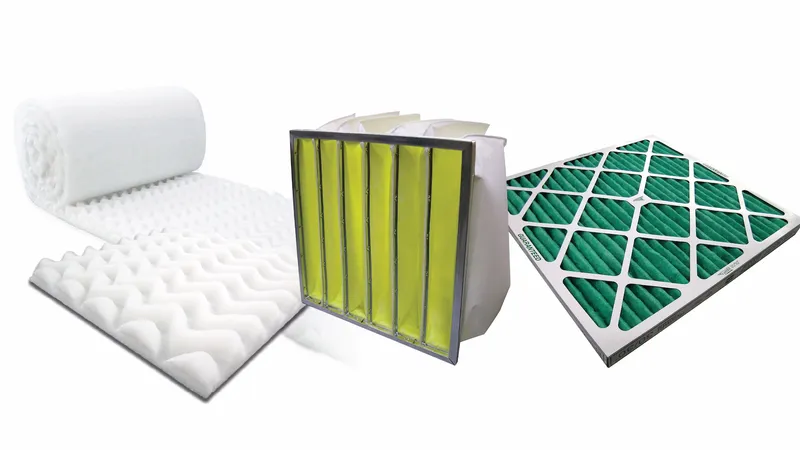
One of the biggest game-changers has been ditching simple fibreglass for engineered synthetic and polyester media. These modern materials hold a massive amount of overspray and keep air moving longer before choking out.
We've also seen the rise of pleated and accordion-style filters. More surface area means they hold more material before restricting airflow. That translates to a longer service life, fewer filter changes, and less downtime for the booth.
And the capture rates? Some of the high-efficiency filters are capable of grabbing about 98% of paint overspray.
Why It Matters on the Shop Floor
On the shop floor, your filtration dictates your booth's cleanliness, your airflow dynamics, and ultimately, your paint results. The right filter choice has to match your specific booth design, your coatings, and your production volume. There is no one-size-fits-all strategy, but there are many advantages to having the right modern exhaust and intake setup.
What Shops Should Take From This
The bottom line is clear: paint booth filters are the oft-unsung heroes of your finishing process. So, if you're still relying on dated filters, cheap generics, or a "wait till it looks bad" schedule, you may be actively holding your booth back. Proper replacement schedules and having the right filter for the job alone can improve your airflow, slash your buffing time, and boost your throughput, without having to invest in an entirely new booth.
Not sure where to start? Contact us to evolve your filter situation.