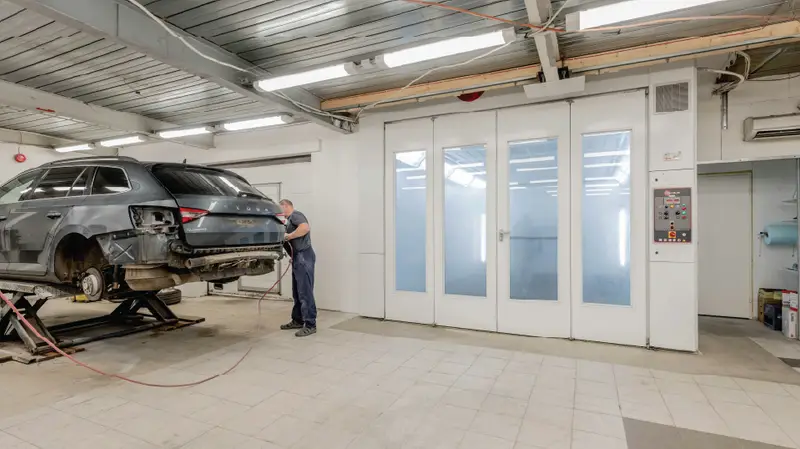






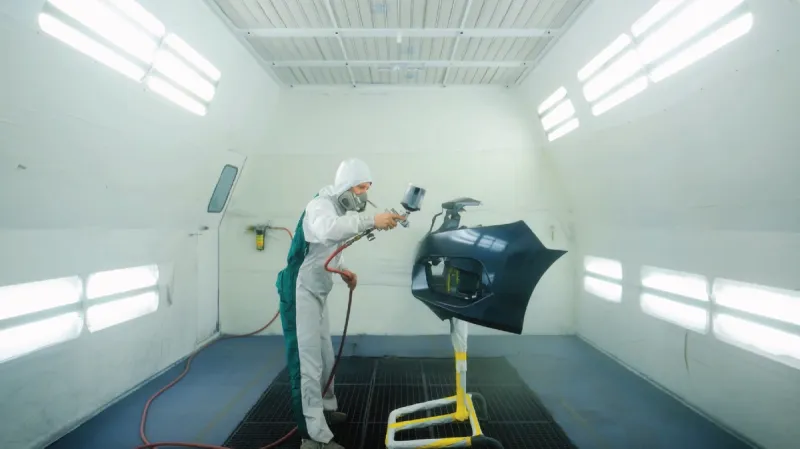

Solenoid valves might be one of the more discrete parts of a booth
At a glance, you might just disregard it as “some random valve that does something for safety,” But here’s the twist: that little valve is the reason your painters can’t pull the trigger unless the booth is truly up and running. These little valves have also become a focal point for inspections and compliance lately, so it’s worth understanding the why and how of them.
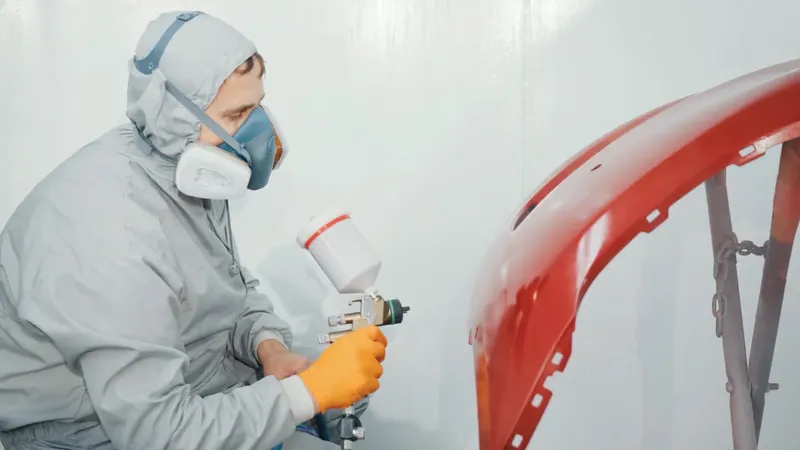
For shops, especially those navigating NFPA 33-style rules and Canadian Occupational Health & Safety (OH&S), knowing what a solenoid valve does, and what exact piece on your setup is the “SV”, has gone from something you might only know if you’ve scanned the tech sheets from the manufacturer, to something you need to know and be able to identify in working order for inspection.
What Exactly is a Solenoid Valve, and What Does It Do?
In simple terms, a solenoid valve is a valve operated by an electrical signal from a controller, like in a car, where they’re used for purge and emissions valves. In a paint booth, though, the job is less about emissions tuning and more about safety. Here, a solenoid valve is interlocked with the booth and air make-up so painters can’t spray unless the fans are running, and gas can’t flow unless the system is in a safe operating state. A solenoid valve is typically installed in the compressed air line that feeds your spray gun or equipment and is wired into the control panel.
Most booths these days require at least one solenoid valve interlocked for safety. So instead of hoping your painter remembers every step, the system locks spraying and heating to safe conditions. No airflow? No spray. No safe burner? No gas. Simple as that.
NFPA 33 and Why OH&S Cares
NFPA 33 (the standard governing spray application using flammable and combustible materials) requires interlocks so that spray equipment cannot operate unless ventilation is functioning. Manufacturers meet this requirement by integrating an air solenoid valve into ETL-listed control panels, tying the gun’s air supply directly to the booth exhaust and air make-up.
In practice, that means inspectors can see a clear, tangible device enforcing the interlock, not just a promise in a manual. All across Western Canada, OH&S is cracking down on these interlocks, especially in shops running high-volume or flammable coatings. Telling an inspector, “We always turn the fan on,” just doesn’t cut it anymore. The system itself has to make spraying without ventilation impossible, or it isn’t considered to be a compliant and safe system.
Location Matters: Distance from Booth Openings
But it’s not just about having a solenoid valve; where you put it matters, too. Inspectors and manufacturers want to see that the valve is kept out of the spray cloud and well away from anything that could spark trouble.
For the systems we work on at Alberta Booth, the following are our recommendations for solenoid value placement.
Closed/pressurized booths: minimum 39 inches (1.0 m) from any opening
Open face booths: minimum 59 inches (1.5 m) from the opening
Giving the valve some breathing room from the booth opening keeps it out of the worst of the overspray and solvent vapours, and helps the whole system run safer.
Maintenance: When That Little Valve Causes Big Headaches
If you’re like most shops, you probably only notice the solenoid valve when something suddenly stops working:
- The painter can’t get the gun to spray, even though the compressor and regulator look fine.
- The booth suddenly refuses to heat because the gas valve will not stay open.
- The system works “sometimes,” depending on how someone has bypassed or jumped the controls.
- The usual suspects? A tired coil, gunk inside the valve, loose wires, or a control signal that’s gone rogue. That’s why regular booth service should always include:
- Verifying the valve opens only when the fans are running and the panel is in the correct mode.
- Listening and feeling for the “click” of operation when the booth starts and stops.
- Inspecting electrical connections and conduits for damage or corrosion.
It’s tempting to bypass a stubborn solenoid valve for just one quick job. But from a safety and liability angle, that’s a gamble you don’t want to take. The valve is there to shut things down when it’s not safe, take it out of the equation, and you’re removing a layer of protection everyone is counting on.
What to Ask When Buying or Upgrading a Booth
Since the solenoid valve is such a big deal for safety and OH&S, it deserves a spot on your checklist whenever you’re buying, upgrading, or retrofitting a booth:
- How is the gun air interlocked with the exhaust and air make-up?
- Where is the air solenoid physically located relative to the booth’s openings?
- How are gas solenoids wired and monitored in the air make-up or curing system?
- Does the control panel meet current NFPA 33-style expectations for interlocks and safety devices?
- If you’re running an older booth, a small upgrade, like adding or moving an air solenoid valve and hooking it into the control logic, can get you much closer to what inspectors want to see, without having to replace the whole booth.
Bringing It Back to Your Operation
Solenoid valves might be small, but in a modern spray booth, they’re the silent enforcers of the “no fan, no spray” rule, which helps your booth tick all the NFPA 33 boxes, and give OH&S and insurers something solid to point at when they ask how you’re keeping things safe.
If you’re not sure how your booth’s solenoid valves are wired up, where they’re hiding, or best practices for maintenance, it’s worth taking a closer look, and if you need help with any of it, we’re just a call away.