






Understanding and following all mix room codes and remaining compliant can seem like a daunting task
These spaces are where safety and code compliance really take center stage because when you’re dealing with flammable liquids and vapours, there’s little room for error, if any. No matter if you’re setting up shop in Rocky View, Calgary, or anywhere else in North America, getting your mix room right means navigating a potential maze of fire, building, and safety codes, all under the watchful eyes of local officials.
What the codes are really asking from your mix room
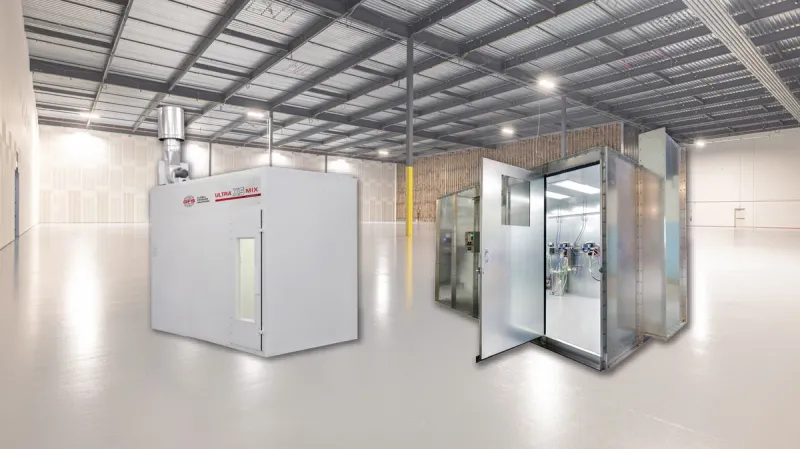
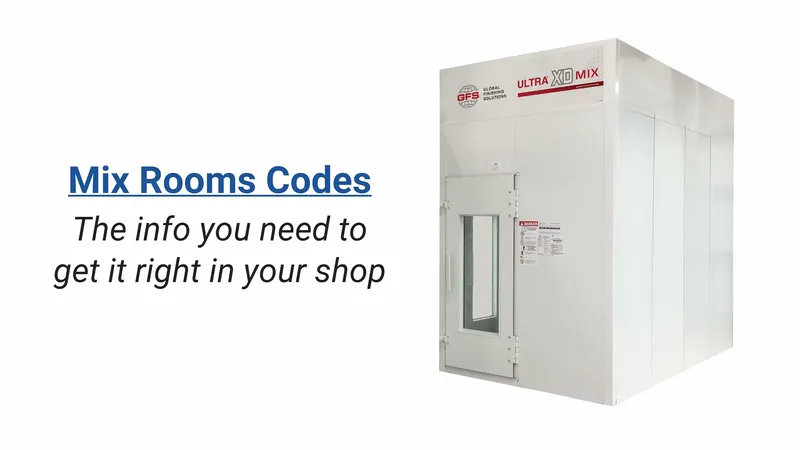
A mixing room is obviously a fairly simple concept: four solid walls, a sturdy ceiling, a fan to extract the hazardous fumes and vapours, and just enough space to get the job done, no more than 14 square meters or 150 square feet. The basic rules are simple: it needs to be able to handle and contain a spill without turning into a disaster, and you can’t just stack the room with cans of paint. There are strict limits and requirements on how much liquid you can store, all tied back to the bigger picture of what’s allowed in your building overall.
All of that is relatively easy to follow, and universal regardless of where you live, but it all becomes more complicated when you factor in a major safety concern: vapours. That’s why the code insists on serious mechanical ventilation and enough airflow to keep things safe, whether you’re working or just storing materials. You’ll also need automatic fire protection, portable extinguishers at the ready, and to treat the whole space as a hazardous zone when it comes to wiring and electrical gear. Laws can vary depending on the local jurisdiction.
Alberta and Rocky View examples
In Alberta, the National Fire Code (Alberta Edition) points straight at NFPA 33 for spray‑coating processes using hazardous, flammable, and combustible liquids, including associated spray booths, prep stations, spray areas, and mixing rooms. Rocky View County, as one example, follows these guidelines, but has its own caveats on storage allowances when automated sprinkler systems are installed. This highlights how, and why, it can be so daunting to truly understand and remember all these codes. The general rules are mostly universal, and something like the NFPA 33 is almost everyone’s guiding light, but little variations in different regions could still get you in trouble if you just operate under the assumption that everywhere is the same and only the basics are important for compliance.
How to tackle codes, wherever you are
No matter where you’re building, the story stays the same: your mix room needs to check off both fire code and building code boxes. The quickest way to cut through the confusion? Go straight to the folks in charge: the local building department, fire marshal, or, in Canada, your Safety Codes Officers. They’re the ones who can give you the real answers for your area.
These officials will pore over your permit drawings, double-check your fire ratings, ventilation, suppression systems, worker safety conditions, and electrical setup, while also checking in at regular intervals.
Bringing compliance back to your booth
A mixing room may seem like a secondary space, but as we’ve shown today, it deserves to be a priority. Beyond meeting regulatory requirements, a properly designed, installed, and maintained mixing room helps protect workers, supports daily productivity, and contributes to the long-term success of your business. These requirements help create a safer, more efficient workplace while protecting the surrounding community.
Whether you need help understanding mix room requirements or are planning a complete booth and mixing room installation, Alberta Booth can guide you through the process, from design and permit coordination to installation, helping you prepare for inspections and provide a safer workplace for your team.